What happens to tenants when a landlord's property goes into foreclosure
By Hannah Kaur · Updated 2026-07-28
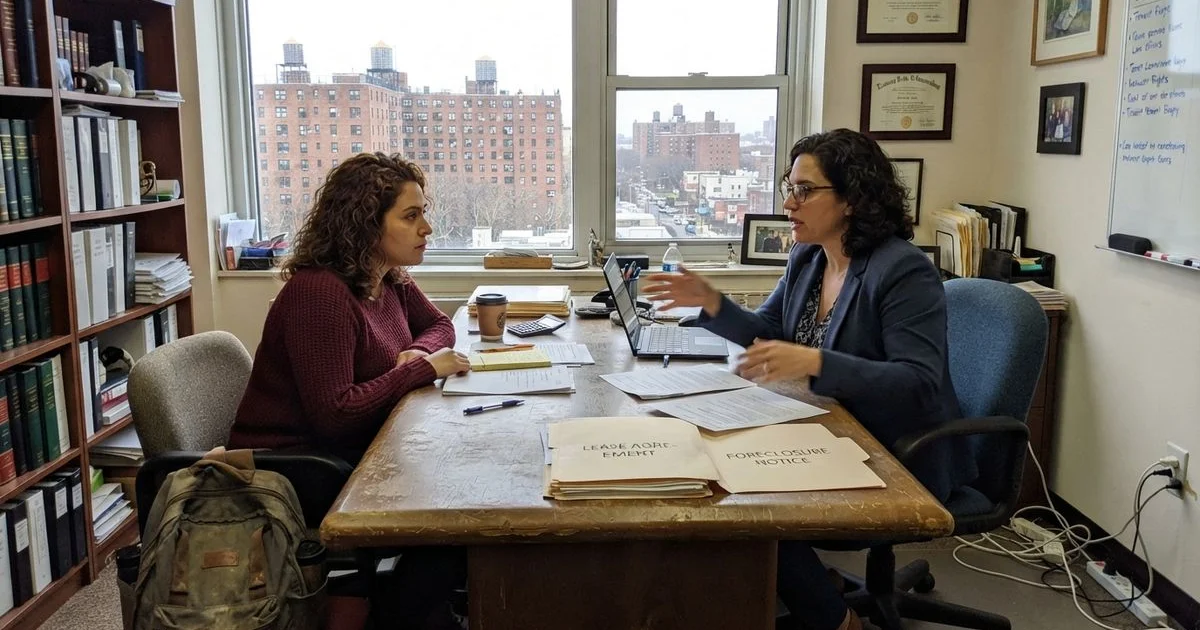
Renters are often the last to know that the property they live in is heading toward foreclosure. It is not something a landlord is required to announce, and by the time a notice shows up, the case may already be well underway. Here is what actually happens to a tenancy when the owner’s mortgage is in default.
This is general information about tenant protections during foreclosure, not legal advice about your specific lease. Terms vary by lease type and by exactly when your tenancy began relative to the foreclosure filing.
Why tenants often find out late
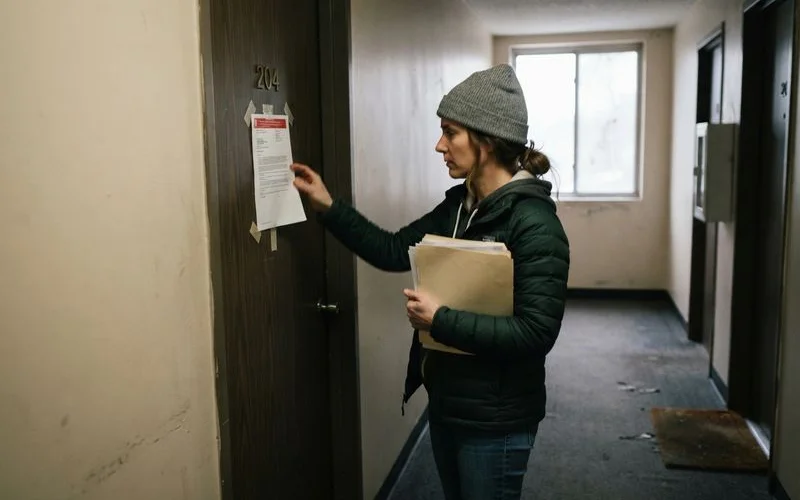
A landlord facing foreclosure has little incentive to advertise it, and rent may keep getting collected as normal for months while the case moves through court in the background. Sometimes the first sign a tenant gets is a public notice at the property, a certified letter from an unfamiliar name, or a knock from someone claiming to be a new owner. None of these should be taken entirely at face value without confirming the underlying case.
Your lease does not just disappear
A foreclosure changes who owns the property, but it does not automatically cancel an existing lease. Tenants with a lease signed before the foreclosure action began generally have stronger protection than tenants who moved in after the case was already filed. Month-to-month tenants have different, generally shorter, notice protections than tenants with a longer fixed-term lease.
Notice before you have to move
If a new owner does want possession after a foreclosure sale, tenants are entitled to advance written notice before being required to leave, not an immediate order to vacate. The exact required notice period depends on the type of tenancy and the circumstances of the sale, but a sudden, notice-free move-out demand is not how this is supposed to work.
What does not change
Rent is still owed to whoever is legally entitled to collect it during the case, which may shift from the original landlord to a receiver or eventual new owner as the case progresses. Basic habitability obligations, like keeping the unit safe and functioning, generally continue to apply regardless of the ownership dispute playing out above the tenant’s head.
What is not allowed, no matter who owns the property
| Not allowed | Why it matters |
|---|---|
| Changing the locks without a court process | Self-help evictions are unlawful in New York |
| Shutting off utilities to force a move-out | Same self-help eviction problem, different method |
| Sudden notice to vacate with no timeline | Tenants are entitled to advance written notice |
| Demanding rent be paid to an unverified party | Confirm who is actually entitled to collect before paying |
Security deposits and move-out costs
A change in ownership does not automatically resolve what happens to a security deposit already on file with the original landlord. Depending on how the transition happens, responsibility for returning it can shift to the new owner, but confirming this in writing before you move out protects you far better than assuming it will sort itself out.
If you get a notice, do not ignore it
Even a confusing or unofficial-looking notice deserves a response. Confirm who sent it, whether a foreclosure case is actually open on the property, and what your specific lease status is. Continuing to pay rent to the wrong party, or ignoring a legitimate notice entirely, can both create avoidable problems.
Verifying who actually owns the property now
Public property records can confirm whether a foreclosure sale has already happened and who currently holds title, which is a useful, factual first step before responding to any notice or demand. This does not require a lawyer to check, but it does take a little time, and it is worth doing before making any decisions based on a letter alone. Ownership can also change hands outside a sale, for instance when the property passes to an heir; the guide on inheriting a house that’s in foreclosure covers those questions.
If you are unsure where you stand, an attorney who handles real estate and foreclosure matters can review your lease and the case status together. Our rubric page explains how listings on this site are evaluated, and you can start from the homepage to browse other practice areas.
FAQ
- Does my lease end automatically if my landlord's property is foreclosed on?
- Not automatically. In many cases a lease can survive a foreclosure sale, especially if it was signed before the foreclosure case began, though the new owner's plans still matter.
- How much notice do I get if I have to move after a foreclosure sale?
- Tenants are generally entitled to advance written notice before being required to vacate, though the exact timeline depends on lease status and the specifics of the sale. It is rarely, if ever, immediate.
- Do I still have to pay rent while the foreclosure case is going on?
- Generally yes, to whoever is entitled to collect it. Foreclosure does not automatically suspend rent obligations, and withholding rent without a lawful basis can create separate problems.
- What if the new owner tries to change the locks or shut off utilities?
- That is not a lawful way to remove a tenant in New York. Self-help evictions of this kind are prohibited regardless of who owns the property; a proper legal process is required.
Related on this site
- Browse real estate & foreclosure law providers
- Best real estate & foreclosure law in Hempstead Metro →
- Inheriting a house that's in foreclosure: what heirs need to know
- Divorce and foreclosure: protecting your share of the home
- Homeowner rights during foreclosure in New York: what lenders are required to do
- Do you have to move out right away after a foreclosure sale in New York
- All guides →