Homeowner rights during foreclosure in New York: what lenders are required to do
By Hannah Kaur · Updated 2026-07-16
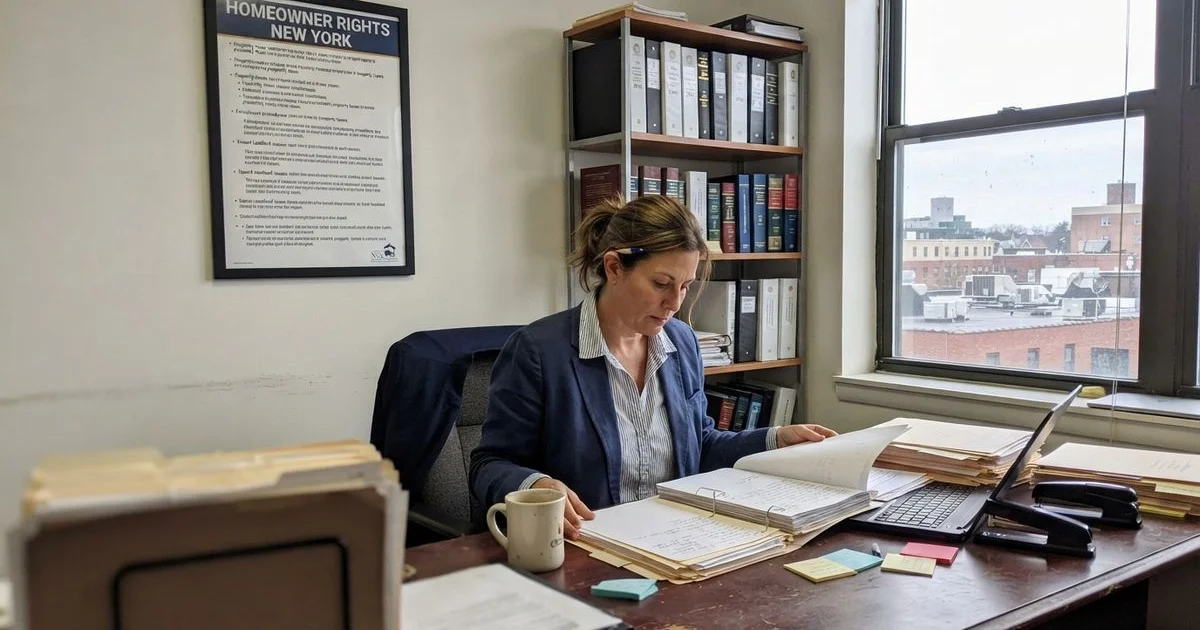
Foreclosure law in New York leans more toward disclosure and process than most states. That is not the same as saying it is easy to fight; but lenders do have to clear specific hurdles, and homeowners have real protections written into the law. Knowing what a lender is supposed to do makes it much easier to spot when something was skipped.
This is general information about New York law, not legal advice about your loan or your case. Documents and dates matter, so bring your specific paperwork to an attorney rather than relying on general rules alone.
The 90-day notice has to happen first
Before filing suit on most owner-occupied one-to-four family homes, a lender must send a notice disclosing the amount owed, the risk of foreclosure, and a list of approved housing counseling agencies. This has to go out at least 90 days before the lawsuit is filed. If the notice was never sent, sent to the wrong address, or missing required content, that can be raised as a defense. For what happens once that notice period ends and a case actually gets filed, see the step-by-step New York foreclosure court process guide.
The six-year clock on filing suit
New York generally requires a lender to file its foreclosure lawsuit within six years of the default. For years, some lenders would file, then discontinue and refile later, effectively restarting that clock. A 2022 state law tightened this up, closing gaps that let lenders reset the limitations period after a discontinuance. If your loan has been in and out of default or litigation for years without a resolution, the timing is worth having reviewed.
A guaranteed settlement conference
Owner-occupied cases in New York get a mandatory settlement conference, a court-supervised meeting between the homeowner, the lender’s representative, and a court attorney or referee. The purpose is to explore whether the case can resolve short of a sale, often through a loan modification review. It is not a guarantee of a modification, but the lender is required to negotiate in good faith and provide requested documents in a reasonable time.
The lender has to prove it actually owns the debt
A plaintiff suing to foreclose has to establish standing, meaning it holds the note or is otherwise entitled to enforce it. Mortgage loans change hands frequently between originators, investors, and servicers, and the paperwork trail does not always keep up. When it does not, a homeowner’s attorney can challenge whether the party suing actually has the right to.
What these protections do, and do not, guarantee
| Protection | What it requires of the lender | What it does not do |
|---|---|---|
| 90-day pre-foreclosure notice | Send disclosure with counseling resources before filing | Does not stop the lender from filing after 90 days |
| Six-year statute of limitations | File suit within the legal window | Does not erase a debt that is still within that window |
| Settlement conference | Negotiate in good faith, produce documents | Does not guarantee a modification or dismissal |
| Standing requirement | Prove ownership of the note before suing | Does not apply if the lender’s paperwork is in order |
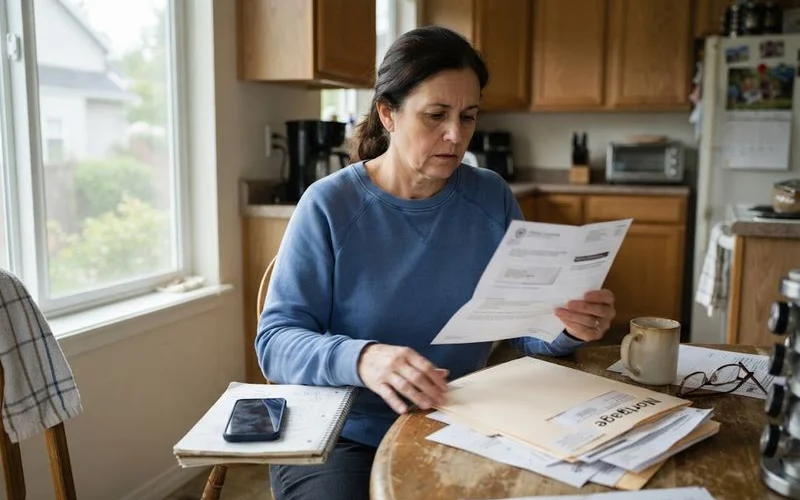
Why these protections exist in the first place
New York’s foreclosure protections were largely built or strengthened in response to widespread paperwork problems that surfaced during past foreclosure crises, including cases where lenders sued without properly established ownership of the loan or relied on carelessly prepared documents. The 90-day notice, the standing requirement, and the settlement conference process are not arbitrary hurdles; they exist because those failures were common enough to demand a legislative response.
What to do if you think a step was skipped
Collect everything: the original notice of default if you got one, any settlement conference paperwork, and the summons and complaint with its filing date. An attorney who handles foreclosure defense litigation in New York can check the notice, the timing, and the standing question against your actual file, which is not something a general rule of thumb can do for you.
You can browse local attorneys from the homepage, and see how listings on this site are evaluated on our rubric page.
FAQ
- Can a lender foreclose without sending any warning first?
- For most owner-occupied homes, no. New York law requires a specific pre-foreclosure notice at least 90 days before a lawsuit can be filed. If that notice was never sent or was defective, it can become a defense.
- Is there a deadline for how long a lender has to sue?
- Yes. New York generally applies a six-year statute of limitations from the date a payment default occurs. A 2022 law closed loopholes that previously let some lenders restart that clock, so older, stalled cases are worth a second look.
- Do I get a say before the case moves forward, or does the lender decide everything?
- Owner-occupied cases get a mandatory settlement conference where you, the lender, and a court attorney discuss the case, including possible loan modification. It does not guarantee an outcome, but it guarantees you a seat at the table.
- What if the lender cannot prove it actually owns my loan?
- A plaintiff has to prove it holds the note and has the right to sue, known as standing. Loans are bought and sold often, and paperwork gaps happen. Lack of standing is one of the more common defenses raised in New York foreclosure cases.