Foreclosure rescue scams: red flags to watch for before you sign anything
By Hannah Kaur · Updated 2026-07-23
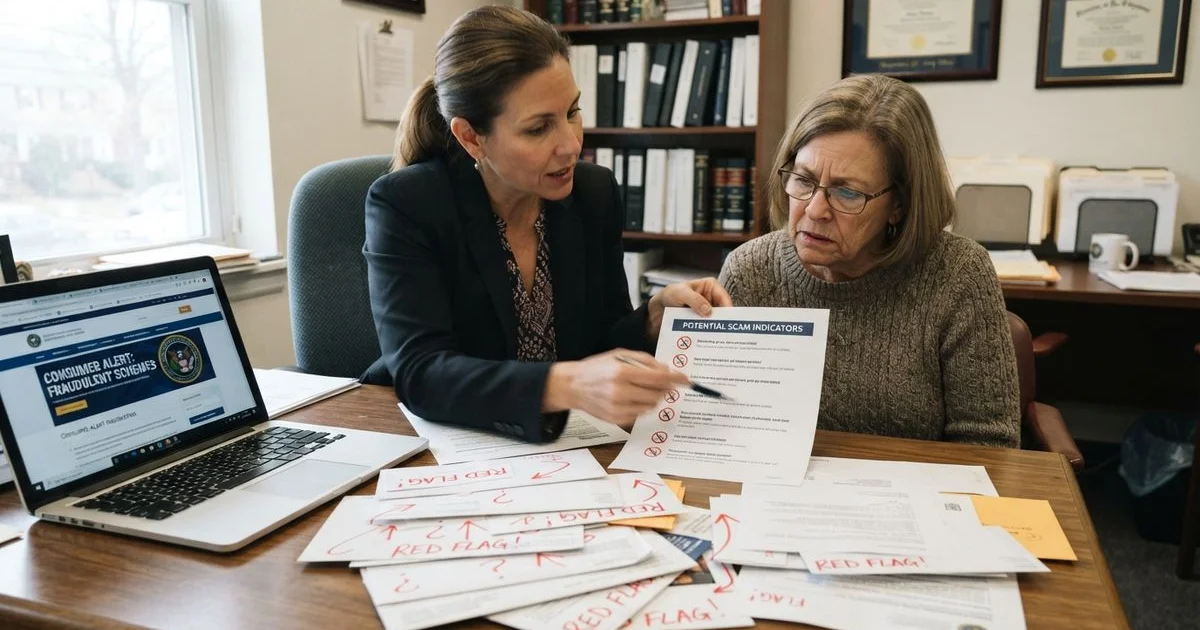
Foreclosure is exactly the kind of stressful, time-pressured situation scammers target, because urgency makes people skip steps they would normally take. Public foreclosure filings make it easy for anyone to find your name and address once a case is open, so the outreach itself proves nothing about who is on the other end.
This is general safety information, not legal advice, but the patterns below repeat often enough to be worth memorizing.
Why this niche attracts bad actors
Foreclosure sits at the intersection of large sums of money, real desperation, and a paper trail that is public by design. Court filings are open records, which means anyone can pull a list of homeowners currently in default. Most of the people using that list are legitimate: attorneys, housing counselors, real estate agents. But it is also a ready-made target list for anyone running a scheme, which is exactly why unsolicited outreach deserves scrutiny regardless of how official it looks. If you are still weighing what legitimate options exist right after a missed payment, the guide on options before foreclosure starts after a job loss is a safer starting point than an unsolicited offer.
The patterns that repeat
A few structures show up again and again in complaints about foreclosure-related help gone wrong:
- Upfront fees with vague scope. Money is collected before it is clear whether the case is even viable, and follow-up questions about what happens next get vague answers.
- Pressure to sign quickly. You are told an offer expires today, or that the sale date makes waiting even one more day too risky.
- Promises that sound too certain. Nobody can guarantee a loan modification approval or a case dismissal before reviewing your actual documents; a guarantee this early is a warning sign, not reassurance.
- Requests to sign over the deed. Some schemes ask you to transfer title “temporarily” as part of a rescue plan, which can put your ownership at real risk.
- Silence after payment. Communication that was warm and responsive before you paid goes cold or defensive afterward, especially if you start asking for specifics.

Common scam types to know by name
| Scam pattern | How it works |
|---|---|
| Equity skimming | Buyer takes over payments or title with a promise to rent or sell back, then collects money without protecting your ownership |
| Phantom help / forensic audit fee | Fee charged for a document review or “audit” that produces no real change in your case |
| Bait-and-switch documents | You are told you are signing loan modification paperwork, but the documents actually transfer ownership or rights |
| Advance-fee rescue | Large upfront payment demanded before any real work is confirmed, with no refund if nothing happens |
Questions that filter out most bad actors
Ask for a written explanation of exactly what you are paying for and when. Ask whether the fee is refundable if the case does not proceed. If a lawyer is involved, verify their license status independently rather than taking a business card or website at face value. And give yourself permission to say “I need a day to think about this,” since legitimate help does not usually depend on you deciding in the next hour.
How to verify an attorney is actually licensed
Every state maintains a public registry where you can look up whether someone claiming to be an attorney is actually admitted to practice and in good standing. This takes a few minutes and is one of the more reliable checks available, since it does not depend on trusting the person’s own claims about their credentials.
If something already feels wrong
If you already paid for help that has gone quiet, or you signed something you do not fully understand, stop further payments and get a second opinion from an independent attorney before doing anything else, including signing additional paperwork from the same source.
Trusting your own hesitation
Scams built around foreclosure rely heavily on urgency overriding judgment. If a normally careful decision-maker finds themselves about to sign something they have not fully read, or send money to someone they have not verified, that hesitation is worth listening to rather than pushing past. A real offer of help does not need you to skip that step.
Attorneys handling real cases are listed across categories on this site, and our rubric page explains how those listings are evaluated. Start from the homepage to find help by practice area.
FAQ
- Is it a scam if someone asks for payment before doing any work?
- Not always, but it deserves scrutiny. Be especially cautious if the fee is due before it is clear whether your case is even worth pursuing, or before you get anything in writing about what the payment covers.
- What is an equity skimming scam?
- It is a scheme where someone offers to take over your mortgage payments or buy the home with a promise to let you rent it back or buy it back later, then keeps collecting money or rent without actually protecting your ownership or paying the lender.
- Are foreclosure rescue offers that come in the mail legitimate?
- Some are; some are not. Public foreclosure filings are a matter of record, so scammers and legitimate businesses both mine them for leads. The offer arriving by mail tells you nothing about whether the sender is trustworthy.
- How can I check if an offer of help is legitimate?
- Ask for everything in writing, verify any attorney's license status independently rather than trusting a business card, and be wary of pressure to sign quickly. A legitimate offer can survive you taking a day to think it over.