Debt collector calls after falling behind: know your rights under federal law
By Hannah Kaur · Updated 2026-07-25
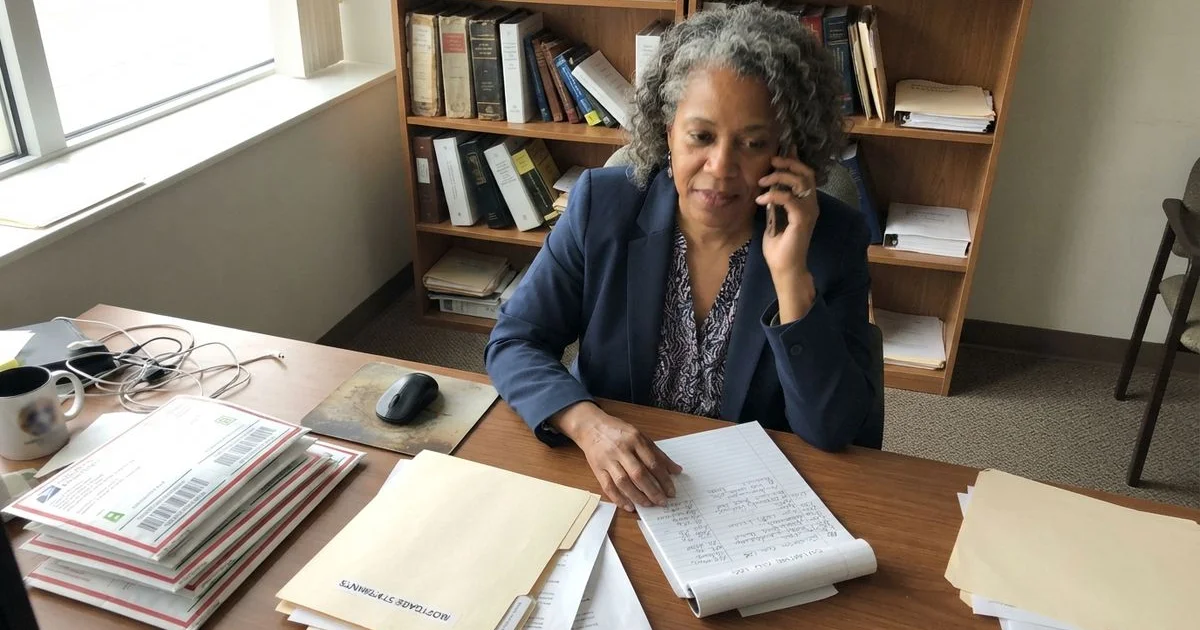
Once a mortgage payment is missed, the phone calls and letters often start quickly, sometimes from the servicer directly, sometimes from a separate collection agency. Federal law puts real limits on what those calls can look like, even while the underlying default and any foreclosure case move forward on a separate track.
This is general information about federal debt collection law, not legal advice about your specific accounts. Rules can vary depending on whether you are dealing with the original lender or a third-party collector.
What counts as a debt collector here
The strongest protections under the federal Fair Debt Collection Practices Act apply to third-party collectors, not always to the original mortgage lender collecting on its own account. In practice, once a loan is charged off or assigned to collections, or once a separate agency gets involved, those protections typically kick in.
Text messages, email, and social media count too
The rules are not limited to phone calls. Collectors reaching out by text, email, or even social media direct message are generally subject to the same restrictions on timing, frequency, and tone as phone calls. If contact through a newer channel feels excessive or inappropriate, it is worth documenting the same way you would document a phone call.
What collectors are not allowed to do
- Call before 8am or after 9pm in your time zone
- Call repeatedly with intent to annoy, abuse, or harass
- Use obscene, profane, or threatening language
- Falsely claim you will be arrested or face criminal charges over the debt
- Contact your employer about the debt after being told not to, in most circumstances
- Continue contacting you directly after you send a written request to stop, except for limited exceptions
What you can do right now
| Step | What it does |
|---|---|
| Send a written cease-communication request | Generally stops direct contact from that collector, with limited exceptions |
| Keep a log of calls, dates, and what was said | Creates a record if a complaint or legal claim becomes necessary |
| Ask for debt validation in writing | Requires the collector to prove the debt is accurate and theirs to collect |
| Do not make partial payments under pressure without a plan | A rushed payment does not fix the underlying default and can complicate your options |

What debt validation actually gets you
Requesting validation is not just a formality. It forces the collector to demonstrate they actually have the right to collect the amount claimed, including confirming the debt was not already paid, discharged, or transferred incorrectly. Loans change hands often, and validation requests occasionally surface real errors, like a collector pursuing an amount that does not match the actual account history.
Debt collection calls and a foreclosure case are separate tracks
Stopping collection calls does not pause a foreclosure case, and a foreclosure case moving forward does not mean collectors can ignore the rules above. Treat these as two separate problems: one is about how you are being contacted, the other is about the underlying debt and any lawsuit tied to it. If you are still early enough to be weighing next steps, the guide on options before foreclosure starts after a missed payment covers what to consider before a lawsuit is even filed.
When it is worth getting help
If a collector keeps calling after a written stop request, threatens you, contacts people you did not authorize, or you are unsure whether a debt is even legitimate, it is worth a consultation with an attorney who handles consumer protection matters. Some violations can support a legal claim of their own, separate from whatever is happening with the mortgage.
Keeping the paper trail organized
If a violation does turn into a legal claim, the log of dates, call details, and any written communication becomes the core evidence. Save voicemails when possible, screenshot text messages, and keep copies of any letters, since collectors do not always keep records that match a consumer’s own recollection of events.
Attorneys handling these matters locally are listed under our consumer protection category, and our rubric page explains how those listings are scored. You can also start from the homepage to browse other practice areas.
FAQ
- Can a debt collector call me at any hour?
- No. Federal law generally restricts collection calls to between 8am and 9pm in your time zone, and prohibits repeated calls intended to annoy or harass.
- Can I tell a collector to stop calling me altogether?
- Yes. A written request to cease communication generally requires the collector to stop contacting you directly, except to confirm they received your request or notify you of specific actions like a lawsuit.
- Does telling a collector to stop calling make the debt go away?
- No. It stops the calls, but the underlying debt and any foreclosure case tied to it continue separately. Stopping communication is not the same as resolving what you owe.
- Can a debt collector threaten to have me arrested over unpaid mortgage debt?
- No. Threatening arrest or criminal charges over a civil debt like a mortgage is not accurate and is a prohibited practice under federal debt collection law.