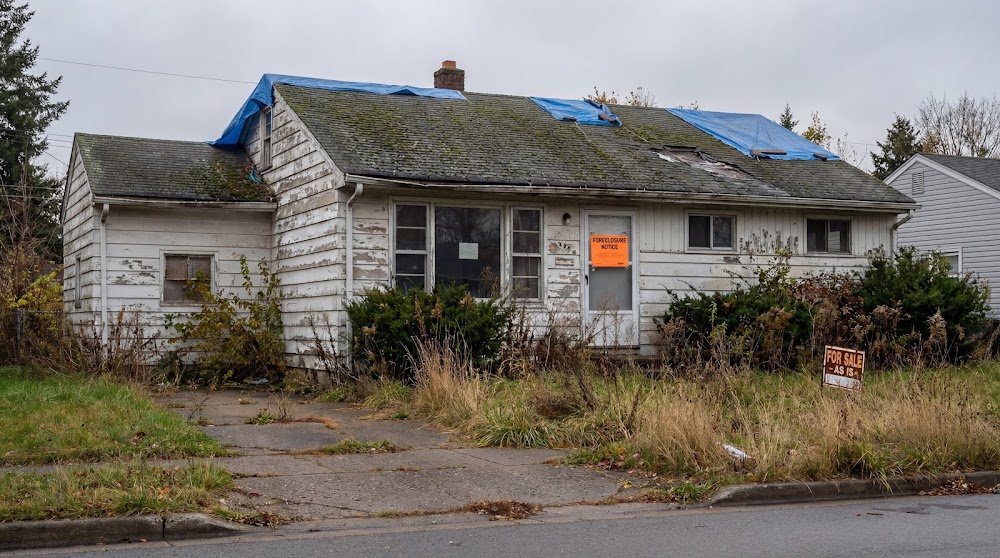
Foreclosure and real estate law covers the legal work involved when a mortgage default, tax lien, or property dispute puts a home or investment property at risk. In Hempstead, that means representing homeowners facing a lender's foreclosure filing, negotiating loan modifications or short sales, defending against wrongful foreclosure practices, and handling the closing-side real estate work (title review, contract disputes, deed issues) that often overlaps with distressed property cases. We track 11 firms and solo practitioners in this category who handle these matters locally, from Nassau County Supreme Court filings to workouts negotiated directly with servicers.
What foreclosure representation actually involves
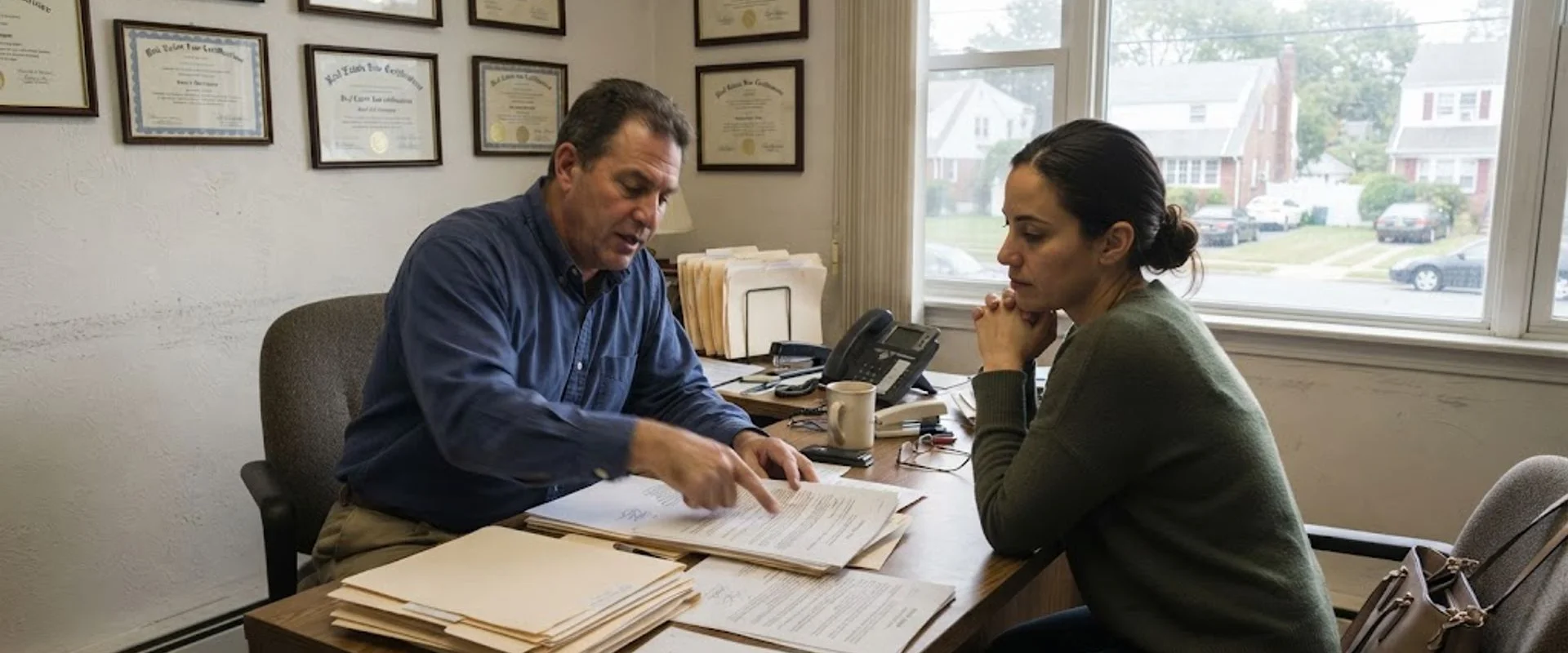
Most cases start with a summons and complaint after missed mortgage payments. From there, an attorney can file an answer to contest the foreclosure, request mandatory settlement conferences (New York requires these for owner-occupied homes), negotiate directly with the lender's counsel, or push for a loan modification, forbearance, or short sale as an alternative to losing the property. Some firms also handle related real estate matters: title clearing, deed-in-lieu transactions, bankruptcy coordination when it intersects with a foreclosure, and disputes over property liens.
What to look for before hiring
Check that the attorney is licensed in New York and regularly appears in Nassau County courts, since local court familiarity affects how settlement conferences and motions go. Ask how many active foreclosure defense cases they're currently handling (an overloaded solo practitioner may respond slowly at a stage where deadlines matter), whether they charge flat fees or hourly, and whether they've actually negotiated modifications or short sales versus only litigating. Responsiveness matters more in this category than almost any other area of law, since foreclosure timelines move fast once a case is filed.
Our ranked guide to Hempstead foreclosure attorneys scores each of the 11 firms on factors like experience with local court procedure, client communication, case outcomes, and fee transparency, so you can compare them side by side instead of cold-calling each one. The scoring approach is explained in full on our methodology page.