Free and low-cost foreclosure help in Hempstead Metro
By Hannah Kaur · Updated 2026-07-30
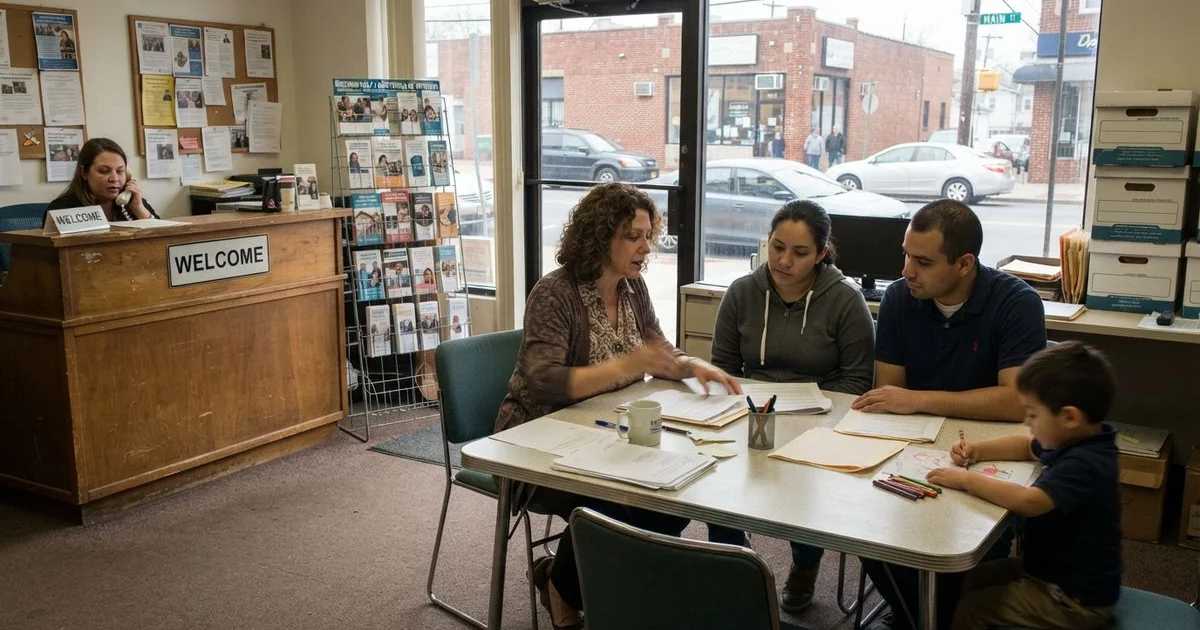
Cost should not be the reason someone loses a home without ever getting real advice. Several forms of free or low-cost help exist specifically for foreclosure, and they are worth exploring even if you eventually also hire a private attorney. Homeowners across Hempstead, Levittown, Massapequa, Freeport, and Baldwin have access to the same core set of resources, since most of these programs operate regionally or statewide rather than town by town.
Start with the notice you already received
If a pre-foreclosure notice has already arrived, look closely at it before searching elsewhere. New York requires these notices to list approved housing counseling agencies directly, which means the resource list is often already sitting in a drawer or inbox rather than something that needs to be tracked down from scratch.
HUD-approved housing counseling
Housing counselors trained in foreclosure prevention can review your loan documents, help prepare a loan modification application, and explain your options in plain terms. This service is typically free regardless of income, and New York’s required 90-day pre-foreclosure notice is supposed to list these resources directly, so check that notice if you received one.
Legal aid and pro bono programs
Legal aid organizations and pro bono clinics in the region take foreclosure cases, often with income eligibility requirements. Capacity varies and waitlists are common, so reaching out earlier in the process rather than right before a sale date improves your odds of getting matched with help in time. Some groups also run programs targeted at specific homeowners: see foreclosure help for seniors on a fixed income and foreclosure help for veterans if either applies to you.
Court-based resources
New York courts that handle foreclosure cases often have resource centers or help desks specifically for homeowners representing themselves at settlement conferences. These are not a substitute for an attorney in a contested case, but they can help you understand what a conference actually involves and what documents to bring.
Comparing your free and low-cost options
| Resource type | Best for | Typical cost |
|---|---|---|
| HUD-approved housing counseling | Loan modification prep, general guidance | Free |
| Legal aid / pro bono programs | Full case representation, income-eligible | Free, subject to eligibility |
| Court resource centers | Understanding settlement conferences, self-help | Free |
| Private attorney free consultation | Case evaluation before committing | Free to low-cost, confirm first |

How to combine free help with paid help
A common, sensible approach is to start with a housing counselor to organize your documents and understand your options, then use a private attorney’s consultation to evaluate whether your specific case has legal defenses worth pursuing, such as a standing or notice problem. The free resource does the groundwork; the paid consultation adds legal judgment on the parts that actually require it.
What to bring to your first free consultation
Whether you start with a housing counselor, a legal aid intake appointment, or a court resource center, bring the same core documents each time: your most recent mortgage statement, any notices you have received, a rough summary of your income and expenses, and a list of questions. Showing up prepared tends to make these free sessions considerably more useful, since less time gets spent gathering basic facts and more gets spent on actual options.
Do not wait for a sale date to reach out
Legal aid organizations and housing counselors both work better with lead time. A case that is months from a scheduled sale gives a counselor room to negotiate a modification or gives a legal aid attorney time to build a defense. A case with a sale date days away limits what any resource, free or paid, can realistically accomplish. If you are unsure how much time you actually have, that timing question alone is worth an early call.
This article describes general resource categories, not a specific referral, and is not legal advice. What you actually qualify for depends on your income, your case stage, and your county.
If you decide a private attorney makes sense, our rubric page explains how listings on this site are evaluated, and you can browse by practice area from the homepage.
FAQ
- Is free foreclosure help actually useful, or just a formality?
- HUD-approved housing counselors are trained specifically in foreclosure prevention and loan modification paperwork, and their help is genuinely substantive, not just a referral service. Many homeowners use counseling alongside, not instead of, an attorney.
- Do I have to be low-income to get free help?
- Housing counseling is generally available regardless of income, though free legal representation from a legal aid organization often does have income eligibility limits.
- Can free help fully replace hiring a private attorney?
- For straightforward cases involving a settlement conference and loan modification review, sometimes. For contested litigation with disputed standing or complex defenses, a private attorney's availability and depth often matters more.
- Are free consultations with private attorneys actually free?
- Many foreclosure attorneys offer a free or low-cost initial consultation, but confirm that upfront rather than assuming, since practices vary by firm.